


.svg)

 FileInvite
What is SOC 2 Type 2 Compliance?
 FileInvite : Jun 17, 2022, 8:48:55 AM
Data breaches are on the rise. Incident reports jumped by 68% in 2021, marking the highest single-year increase on record. The trend in data breaches...

Effective loan management software is essential for all lending institutions — especially smaller ones like credit unions. These organizations compete based on customer service quality.
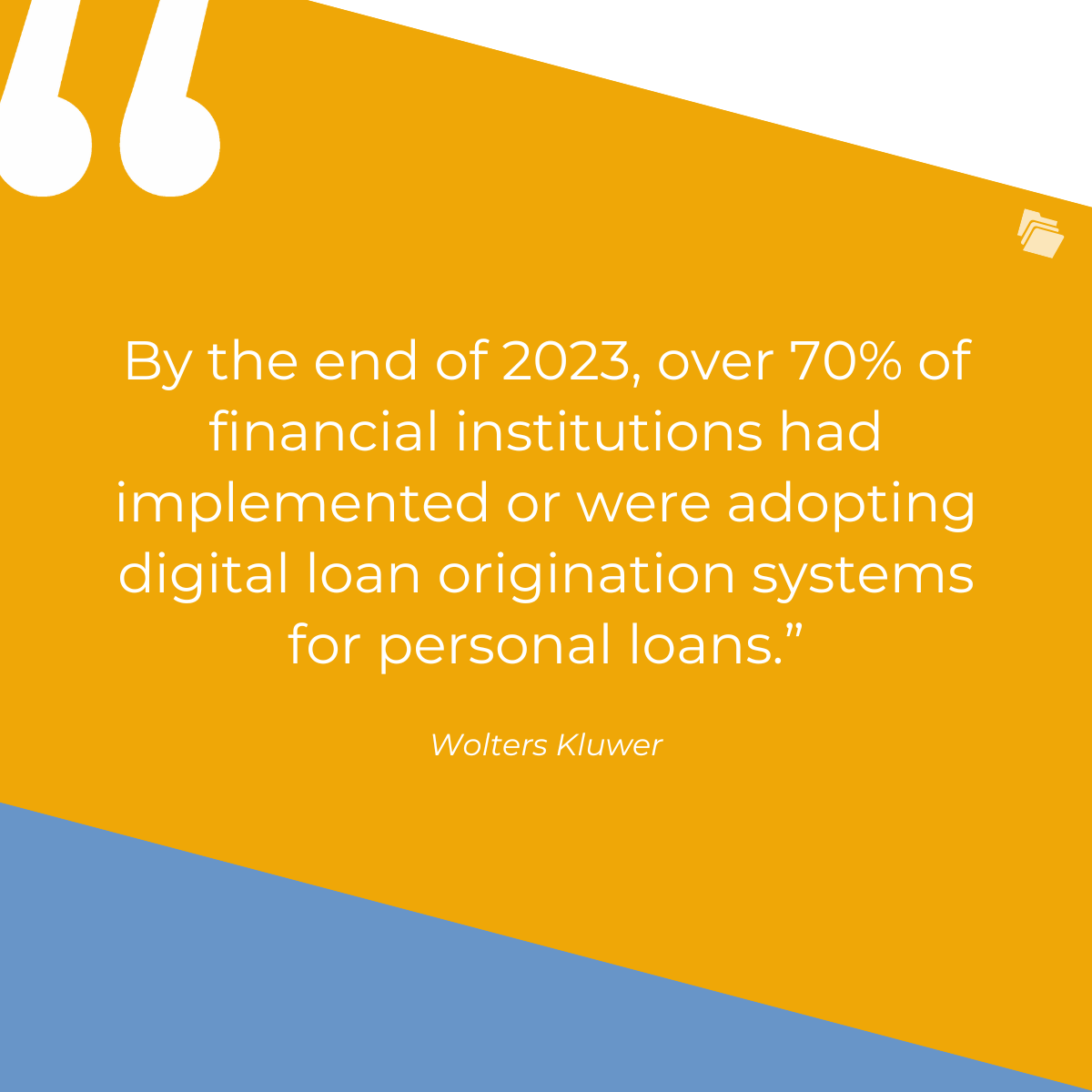
Loan management software streamlines the loan processing cycle and boosts the accuracy and security of financial data. As such, by the end of 2023, over 70% of financial institutions had implemented or were adopting digital loan origination systems for personal loans.
For credit unions that emphasize personalized service and community-focused banking, the right loan management software can be transformative. This software automates routine tasks, giving staff more time to focus on business relationships and member interactions. It also helps reduce the lengthy onboarding times for commercial customers — from 20 to 90 days — by ensuring efficient data handling and compliance processes.
As the role of technology in financial services continues to grow, credit unions must stay abreast of the latest advancements to remain competitive and meet evolving member expectations. This guide covers various types of loan management software to help you identify which is right for your organization.
Different financial institutions have different needs. With more than 20 different popular varieties on the market, there is no one-size-fits-all loan management software. Here’s an introduction to different kinds, with a breakdown of the pros and cons for each.
This automates the entire loan application process, from the initial application to final approval. This type of software manages crucial aspects of the loan lifecycle, including capturing application data, verifying documents, scoring credit, and conducting compliance checks. These functionalities streamline the complex procedures involved in loan processing.
By streamlining these processes, LOS helps lenders provide a better borrower experience.
Pros:
Cons:
Loan servicing software (LSS) manages the lifecycle of a loan after it has been approved and disbursed. It handles tasks such as payment processing, account management, interest calculations, and certain aspects of customer service. LSS helps organizations accurately track issued loans, reduce manual errors, and improve customer experience by streamlining post-disbursement activities.
Pros:
Cons:
This oversees and manages entire portfolios of loans. LPMS tracks loan performance, adherence to risk management policies, and compliance with regulatory standards. It aids lending staff in making informed decisions and ensures actions align with organizational policies. LPMS is useful for maintaining oversight and control over large volumes of loans, optimizing financial outcomes and regulatory adherence.
Pros:
Cons:
Credit risk management software (CRMS) helps financial institutions identify, assess, and mitigate risks associated with lending. CRMS uses advanced analytics, machine learning, and unprompted monitoring to evaluate borrowers’ creditworthiness, potential for fraud, and overall portfolio risk.
Pros:
Cons:
This stores, manages, and tracks electronic documents and images of paper-based information. DMS automates document handling processes and provides storage, easy retrieval, and efficient management for loan-related documents.
Pros:
Cons:

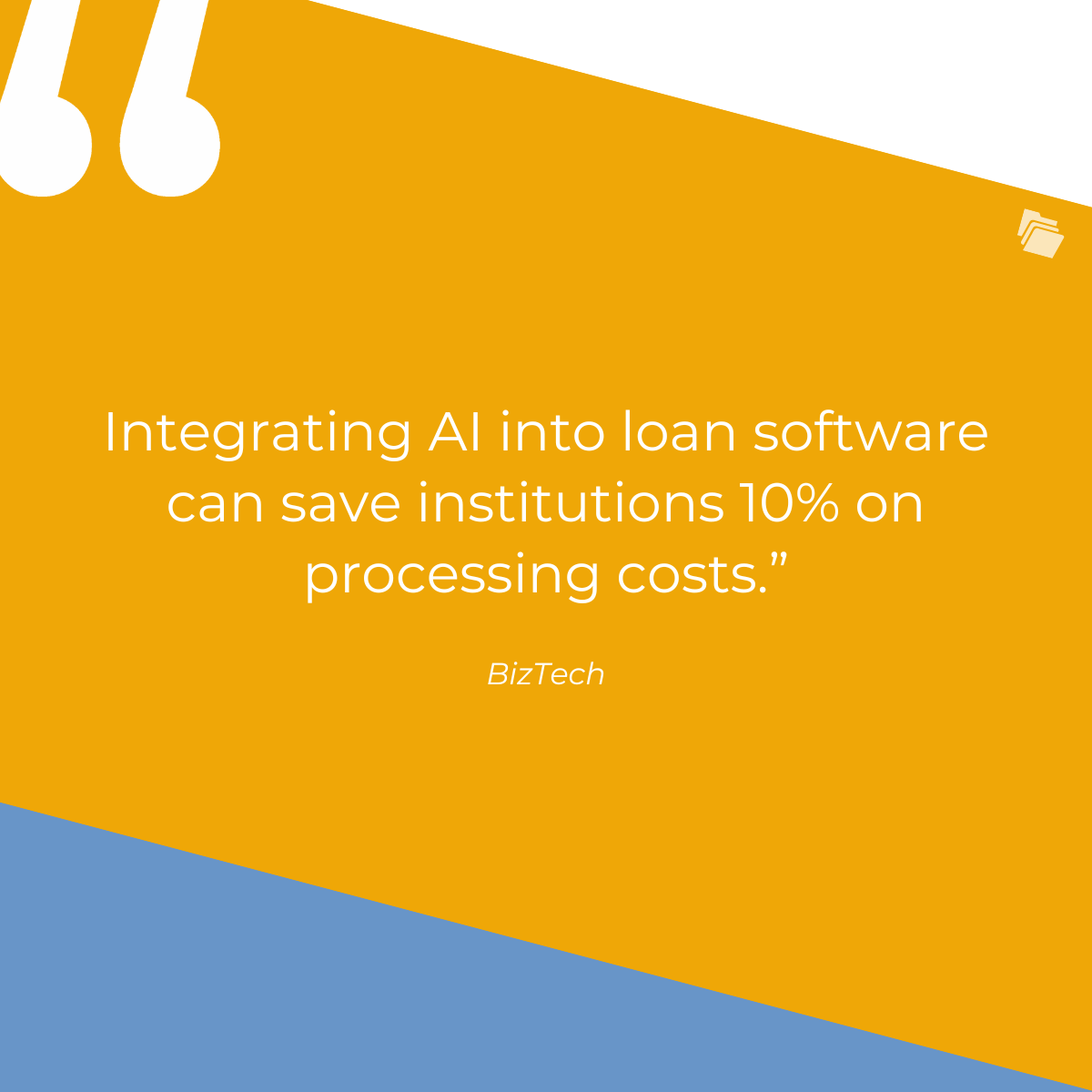
When choosing loan management software for your credit union, consider these four factors to ensure it meets your specific needs and goals. Size and growth trajectory are important — larger institutions or those expecting significant growth may require more scalable solutions. Ensure the software supports your current loan products and offerings. Recent studies show that integrating AI into loan software can save institutions 10% on processing costs. Lastly, the software you choose should help maintain compliance with industry regulations, such as Know Your Customer (KYC) and Anti-Money Laundering (AML) rules.
The right loan management software can transform your credit union's loan operations and vastly improve member experience. Take the time to explore your options and identify which kind of loan management software best suits your organization’s needs.


FileInvite : Jun 17, 2022, 8:48:55 AM
Data breaches are on the rise. Incident reports jumped by 68% in 2021, marking the highest single-year increase on record. The trend in data breaches...

FileInvite : Apr 30, 2024, 3:04:11 PM
As lenders look for ways to increase their efficiency and hone their competitive edge in 2024, commercial lending software helps lenders accomplish...

FileInvite : Oct 25, 2024, 2:02:57 PM
Currently, 70% of financial firms rely on four or more systems to track and secure communications with third parties.